Roughly 37 live channels sit outside Google Play and the App Store. They are not one market — they are nine different business models, each with its own economics, integration cost and rulebook. This is the map.
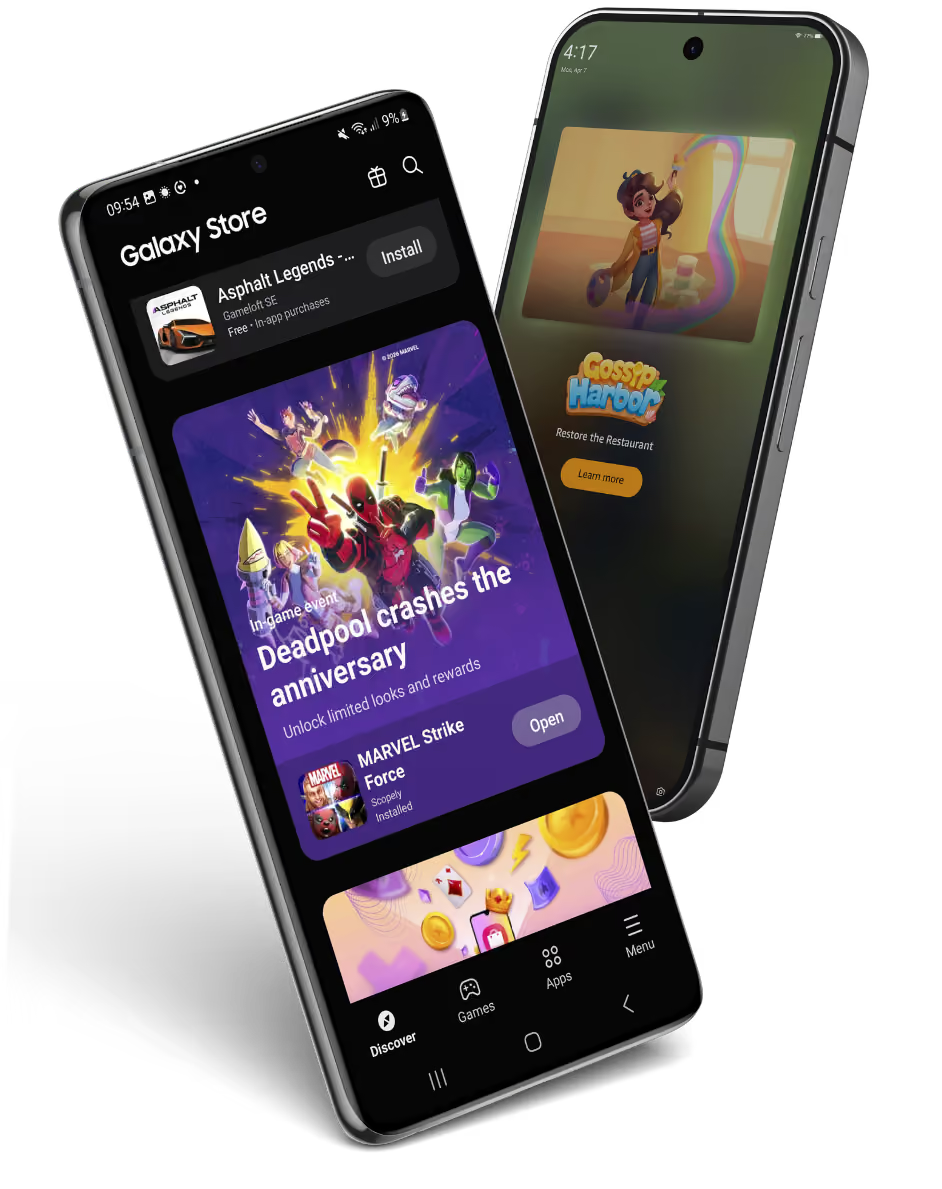
Stores shipped on the handset by the manufacturer. The icon is on the home screen before a player ever searches.


Operator-run storefronts with carrier billing built in — players pay on the phone bill, no card required.




Standalone storefronts with no handset deal and no carrier behind them. They earn their audience on reach and download habit alone.


Audience-first storefronts built around a genre or a scene. Small lists, unusually high intent.


A publisher turns its own IP into the acquisition engine and runs the storefront itself.

Alternative iOS marketplaces created by legislation and regulatory pressure in EU, Brazil and Japan — the first cracks in the walled garden.

Ideological, non-commercial catalogues. No IAP, no ads, no revenue share.


Distribution unlocked by legal remedy — one store carrying another store’s catalogue inside it.

Super-app ecosystems where the game runs inside the host app. Zero install, zero store listing.